
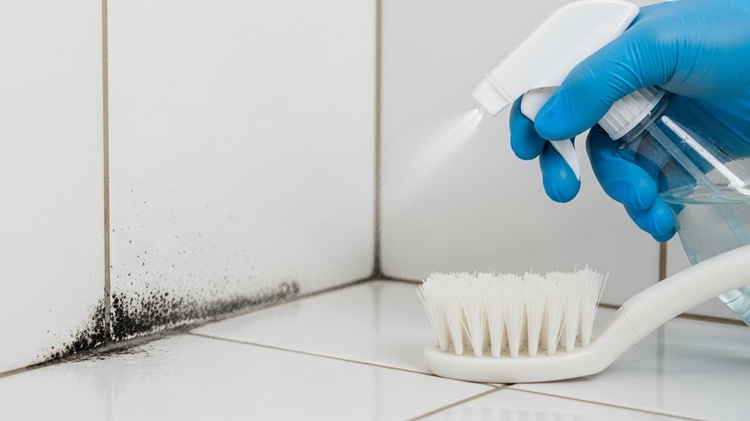
Every year, mould is one of the top reasons tenants across the UK lose part or all of their deposit.
A few black spots on the bathroom ceiling or kitchen sealant are enough for some landlords to withhold hundreds of pounds at check-out. Even when the underlying damp was caused by poor ventilation or a leaking pipe that was never your responsibility, they still deduct.
Fortunately, with the right approach, you can keep mould firmly under control, protect your health, and hand the property back in a condition that leaves no room for dispute.
Understand Why Mould Appears
Before you reach for cleaning sprays, take a moment to understand why the mould is developing.
Moisture and poor ventilation are almost always the culprits. In bathrooms, particularly the typical internal bathroom with no window, steam settles on all surfaces. It sticks to grout, tiles, and ceilings, creating a perfect breeding ground.
Kitchens face similar issues, especially in smaller galley layouts where boiling pans, toasters, and near-constant kettle use leave condensation hanging in the air. Even a minor leak behind a cupboard or under the sink can quietly feed a stubborn infestation.
In some homes, older double-glazing can also trap moisture, encouraging mould to form around window seals. Recognising the underlying cause means you can choose the right method to eliminate the problem and stop it from returning.
Prevent Mould from Establishing Itself
Start by improving ventilation, as this alone can make a marked difference. Opening windows during and after showers or cooking sessions always helps. Even if you crank them only slightly on a cold day, this encourages moisture to escape instead of lingering on surfaces.
Leaving the bathroom door ajar once you’re finished also allows steam to disperse through the flat rather than settling in the corners.
Extractor fans should run for at least fifteen to twenty minutes after using hot water. Then again, many rentals have fans that are too weak or noisy to be effective. In such cases, ask the landlord to have the fan serviced or replaced.
In rooms lacking windows, consider investing in a compact dehumidifier, such as those by Meaco or Pro Breeze. Both are well-suited to small British flats, where airflow is limited.
Wipe Down Damp Surfaces Daily
Treat moisture as the enemy. After a shower, wipe down tiles, screens, and the edges of the bath or shower tray with a microfibre cloth.
In the kitchen, dry condensation forms around sinks, splashbacks, and worktops after cooking. A timely wipe down should take care of these humid spots.
Pay attention to hidden pockets of moisture behind appliances, along window ledges, and under the sink. These often-overlooked areas would get the right kind of care if you book a professional end of tenancy clean.
Use Safe and Effective Cleaning Solutions
If you want to tackle the mould yourself, choose your products carefully. Shop-bought treatments such as HG Mould Spray, Astonish Mould & Mildew Blaster, or Cillit Bang Black Mould Remover are widely stocked in supermarkets and typically work quickly.
Always follow the instructions closely, as these cleaners can be strong and may discolour paint or silicone if misused. Wear proper rubber gloves, and keep the room ventilated while you work.
If you prefer natural remedies, a simple mixture of white vinegar and water can be surprisingly effective on minor mildew patches.
Once the affected area is clean and dry, consider asking your landlord whether you can apply mould-resistant paint on ceilings or walls in particularly humid spots. It’s a small change that can make a big difference in high-moisture homes.
Report Leaks Immediately
Never ignore a dripping tap, damp patch, or suspicious stain. Faulty plumbing is one of the main reasons mould spreads through rentals.
Contact your landlord or letting agent as soon as you notice a problem. Early reporting not only prevents structural damage but also protects you from potential deductions when it’s time for your deposit to be returned.
Know When to Call in Professional Help
If the mould keeps returning or if the patches are large and spreading, take it as a sign that you need reinforcement.
Persistent mould often signals hidden leaks or deeper structural problems that require specialist attention. Keep your landlord informed throughout, as they’re legally responsible for ensuring the home meets UK health and safety standards.
Once the cause is fixed, a professional cleaning service can carry out a thorough treatment. End-of-tenancy cleaners know exactly what agents look for and will target problem areas that commonly fail checkout reports.
Bringing in professionals saves time, prevents repeated outbreaks, and ensures the property is returned in acceptable condition.
Keep the Mould Away for Good
Once the mould is gone, shift your focus to long-term prevention. Daily habits make the biggest difference, and they don’t need to feel like a chore.
Start by ventilating your home as part of your routine. Open windows where possible, even for a short burst each morning, and let fresh air circulate through the flat.
If your windows tend to collect condensation during winter, wipe them down in the mornings to stop moisture from seeping into the frames.
Use extractor fans consistently, not just while you’re cooking or showering but for a little while afterwards. Many fans in rental homes switch off automatically, but if yours doesn’t, it’s worth letting it run for an extra twenty minutes to keep humidity levels down.
Where airflow is limited, rely on a dehumidifier. London, Manchester, Leeds, Glasgow, and virtually every British city have plenty of compact units designed for small flats. They are particularly helpful in north-facing rooms that never quite warm up.
Cleaning regularly is another essential step. Give your bathroom and kitchen a once-over each week, making sure to scrub silicone edges and grout lines where spores tend to cling.
Don’t forget the bits of the home that are easy to ignore, such as the side of the washing machine, the underside of the kitchen sink, or the back of the loo. These hidden corners often cause the most trouble simply because no one thinks to check them.
If your rental has a loft hatch, an understairs cupboard, or a basement-level entrance, pop in from time to time to make sure damp isn’t building quietly.
These areas can be surprisingly humid, especially during wet British winters, and a quick check can save you from a repeat outbreak.
Finally, stay alert to changes around the home. A new damp smell, a patch of discoloured paint, or a cold corner that suddenly feels clammy can all indicate rising moisture.
The sooner you address it, the less likely you are to face large-scale mould and awkward conversations when moving out. A small, steady routine keeps your living space fresh, healthy, and mould-free year-round.
Conclusion
Mould can quickly disrupt the comfort and cleanliness of a rental home, but dealing with it early makes all the difference.
Improve airflow, stay alert to dampness, act promptly when you notice new patches, and keep your landlord aware of anything that may need repair. If the situation escalates, invest in professional help to ensure the property is restored properly.
A proactive approach not only helps you enjoy a healthier living environment but also leaves you in a stronger position when it’s time for your deposit to be returned in full.