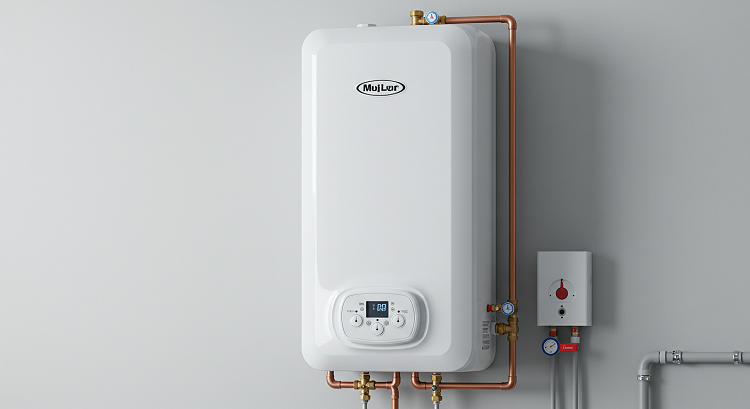
Many families in Creve Coeur rely on a working water heater every day. A malfunctioning heater can disrupt your entire day. While some issues can be fixed quickly, others might require the skills of a hosackplumbing.com plumber. Homeowners who are aware of the common causes of water heater problems can spot trouble early and avoid major repairs later. Below are common causes of water heater issues in homes:
Sediment Buildup
Water in this region can contain calcium and magnesium. These minerals settle at the bottom of the water heater tank over time. As the layer of sediment grows thicker, it takes longer for your heater to warm up water. This buildup also forces the heater to work harder, which can raise your energy bill.
You might notice popping or rumbling noises coming from the tank if sediment has built up. These sounds are often caused by steam bubbles getting through the sediment. If left unchecked, sediment can reduce the efficiency of your water heater or cause it to overheat and fail.
Faulty Heating Elements
Electric water heaters have heating elements inside the tank that warm the water. These elements can wear out or stop working. This can happen because of corrosion, sediment, or electrical issues. When a heating element fails, your water may not get hot enough or may stay cold entirely. If you quickly run out of hot water or only get lukewarm temperatures, a faulty heating element could be the reason. A licensed plumber can test the elements and replace them if needed.
Broken Thermostat
A water heater thermostat controls how hot the water gets. If it breaks, your water may be too cold or dangerously hot. A broken thermostat can also make your system less energy efficient, causing you to use more energy than necessary. In Creve Coeur, changing weather can put extra stress on water heaters. When temperatures drop, the thermostat works harder to maintain the desired temperature. This may lead to wear and tear over time.
Corrosion and Rust
Water heaters are built to last, but they are not immune to corrosion. If you see rust-colored water coming from your hot water tap, the inside of your tank might be rusting. This is a serious issue, as a rusted tank can eventually leak or burst.
Most water heaters have an internal part called an anode rod. This rod attracts corrosion and protects the tank itself. But the rod wears out over time. The tank will rust if not replaced. Regular inspections can help catch this problem early and extend the life of your heater.
Pressure Relief Valve Problems
A pressure relief valve releases excess pressure if it builds up inside the tank. If the valve is damaged or stuck, pressure cannot escape as it should. This can lead to leaks, strange noises, or dangerous pressure buildup. Homeowners should not fix the pressure relief valve themselves unless they are experienced with plumbing systems. Instead, call a professional if you suspect something is wrong.
If your water heater is acting up, Hosack Plumbing, Heating & Cooling can diagnose and fix all types of water heater issues. They also offer regular maintenance services to help keep your system running smoothly all year long.
Old Age
Even the best water heaters don’t last forever. In Creve Coeur, many homes still have heaters that are 10 to 15 years old. Once a unit reaches this age, it may develop problems. Older systems may be less efficient or take longer to heat water. In fact, they may break down frequently.
If your water heater is near the end of its expected lifespan, it may be time to think about replacement rather than repeated repairs. A new unit can help lower utility bills and reduce the risk of sudden breakdowns.